

Content warning: eating disorders
23rd February – March 1st is Eating Disorder Awareness Week, with this year’s theme being Community. Eating disorders can be isolating, making people feel alone whether someone has an eating disorder themselves or whether they are supporting someone.
#EDAW26 is celebrating the power of community and the vital role family, friends, and other support networks play in helping someone feel supported, understood, and never alone on their journey from seeking help, undergoing treatment and beyond.
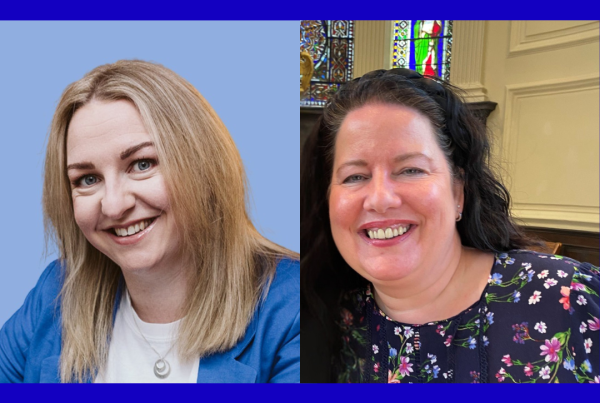
From Leeds Mindful Employer Network (a project led by Leeds Mind), Project Assistant Katie Morris has shared her experience of eating disorders and what workplaces and employers can do to be more aware of colleagues and employees that might be going through similar challenges.
A bit about me
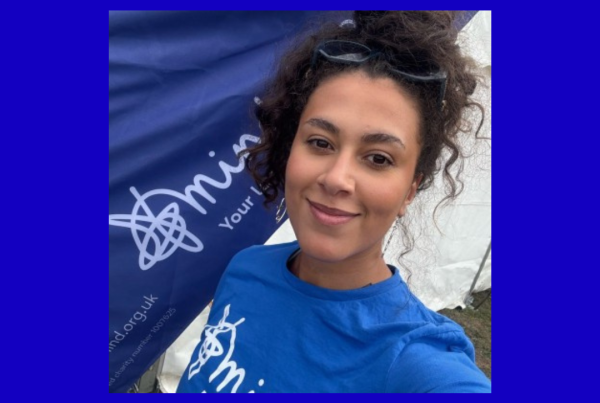
Hi, I’m Katie. I am a psychotherapist and work at Leeds Mind as Counselling Coordinator, and Mindful Employer Project Assistant. I have chosen to speak about my experience for this year’s Eating Disorder Awareness Week. I struggled with Anorexia Nervosa from 15 years old to around 24, on and off, and although I’d consider myself in recovery now at nearly 29, it doesn’t feel as though it ever really leaves you. This is why I find it so important to spread awareness around eating disorders, as even in recovery, it can be so easy to be triggered back into that old mindset. When people around me or at work don’t know my past, they may say something off-hand that could trigger an episode, and this is why it is so important to be aware of what we are saying around food, weight, and appearance.
Eating Disorders can be isolating
This year’s theme, “Community”, sits with me, as isolation is a common trait with eating disorders. This may be due to; avoiding any events that may feel triggering (more on this below); avoiding people out of guilt or shame; or even to be able to hide their eating disorder from their loved ones. A massive part of eating disorders (EDs) that is not often talked about is the hiding and deception that the individual often engages in to “protect” their ED.
As an example from my own experience, when I was unwell with an ED, I didn’t want help or to get better. Therefore, I would try to disguise it, hide it, and lie about it, to everyone – maybe including myself. This can cause huge disruption to relationships, coming back to that isolation factor. If you suspect someone may have an ED, but when you ask them, they deny it and say they are fine – this may not be true. In fact, from my experience, if people were to keep asking me if I’ve eaten, or have I lost weight, I look unwell, etc., I was more likely to resent that person and feel I needed to hide more from them.
What really helps is to have a space where you to talk about what’s going on with people you trust. To not have judgement or panic from others, but just a safe space to put down the mask without pressure. For someone to not let you push them away, to be there consistently, can be life-changing for someone with an eating disorder.
Being Mindful of Eating Disorders: Some Helpful Tips from lived-experience
Last year, a colleague at Leeds Mind with lived experience of an ED put together this guide to help avoid ED triggers in and around our office and feedback suggested these were very helpful:
Try to:
- Acknowledge that everyone’s relationship to food is different
- Understand that any mention of dieting or weight can be difficult, it doesn’t necessarily have to be a ‘negative’ comment
- Ask people about how they are or how they feel if you suspect they might be struggling with eating (rather than commenting on behaviours you have noticed)
- Keep an awareness that you may not be able to tell that someone has an eating disorder. Anyone at all can be struggling
Try to avoid:
- Talking about food in a moral way, e.g. labelling food as ‘good’ or ‘bad’
- Using judgmental language to refer to behaviours around food, for example saying you’re being ‘good’ or ‘naughty’
- Mentioning diets or specific details in food, like calories
- Talking about weight, using numbers or commenting on bodies – including your own
- Complimenting weight loss, even if you’re talking about yourself
Remember: Something that feels neutral, or even positive to you might be very triggering to someone with an eating disorder.
Anyone can struggle with EDs
Last year’s EDAW theme was “Anyone”, and this is still relevant. Eating disorders can affect anyone and we can’t assume that someone doesn’t have an ED based on their appearance or their gender. Eating disorders may include but not limited to: Anorexia, Bulimia, Binge Eating disorder or OSFED (other specified feeding or eating disorders). They don’t all present in the same way and the effects of them are not all the same. It’s important not to assume that because someone is not “thin”, that they don’t have an ED. Just to drive this point home with my own anecdote: During one of my relapses, I was told by a medical professional that I had not lost enough weight to receive help. This is not uncommon, as less than 6% of people with eating disorders are actually underweight, but I’m sure you can imagine how unhelpful and triggering this is to someone who is actively trying to lose weight. For me, this would go in the “try not to” column!
What to look out for:
Signs that someone may be struggling with an eating disorder:
- Fixation with food or body image: Constant thoughts about weight, calories or appearance.
- Changes in eating habits: Skipping meals, restrictive diets or unusual eating behaviours.
- Physical symptoms: Tiredness, noticeable weight changes, dizziness or frequent stomach issues.
- Behavioural changes: Avoiding meals with others, secrecy around eating or excessive exercise.
- Emotional changes: Increased anxiety or depression, irritability and becoming withdrawn.
Neurodiversity and Eating Disorders
What I feel is important to mention is that I am an autistic ADHDer. Emerging evidence suggests a correlation between eating disorders and neurodiversity, especially autism. This remains to be something not widely acknowledged, even within our own community, but in my experience many neurodivergent people I’ve met have struggled with some form of eating disorder. I’ve linked to research below which explains more about this correlation:
- BEAT – Eating Disorders and Autism
- Neurodiversity and Eating Disorders
- PEACE – Autism and Eating Disorders
In my personal experience, and as a mental health professional, I have found that eating disorders often come from a need for control; it is not always about the food and weight. Being neurodiverse, people can often feel misunderstood and not in control of their own life, which I personally believe to be the biggest factor in onset of EDs.
Eating Disorders and the Workplace
As a manager or employer, this control element can be a really important factor to consider when thinking about how to support an employee with an ED. You might want to explore:
- Are they reporting that aspects of their job become overwhelming, feeling out of control, and too much?
- Are there adjustments that can be made for them to feel more in control at work, whether that be with their workload, environment, or interactions with colleagues and managers? Consult with them about what might help
Also, consider what the food culture is like in your workplace. Are activities or events always based around eating? A tea and talk, a Christmas meal out, a lunchtime wellbeing activity. Events like these can draw attention to the fact that an individual may not be eating when others are, or they may feel under pressure to eat and this could be triggering for them. Or maybe they won’t attend altogether, leaving them isolated and missing out.
Think about some alternatives for your organisation when it comes to pairing activity with food. Does this need to happen every time teams get together?
What to do next
- Follow the “try to” and “try not to” tips above
- Make it known you are open to talking and checking in with colleagues or employees, but allow individuals to take the lead with what they do and don’t feel comfortable discussing
- Have signposting to eating disorder support readily available to anyone (you cannot assume who is or isn’t struggling)
- Learn as much as you can about EDs, and raise awareness with others
- Consider adjustments that can be made for individuals struggling
- Consider wellbeing activities and celebrations that don’t involve food
- Consider appointing Mental Health First Aiders
- Find support on how to approach the conversation, and support someone with an ED at work
Eating disorders can be deadly and so it could be crucial that you are aware of how to spot the signs, and how to support someone in need.
Getting involved this EDAW:
- Book onto an online workshop with BEAT – 26th Feb
- Download and read resources and to learn more
- Ask questions to eating disorder experts
- Share facts, stories, or resources on your social media with #EDAW2026 to help reduce the stigma and raise awareness
- Remember that inclusive support has to go beyond marking an awareness day to achieve meaningful and sustainable positive change
Useful Signposting
If you’re concerned about someone, you can call BEAT helpline 0808 801 0677 or email help@beateatingdisorders.org.uk
Signposting for individuals struggling with EDs: