
Ahead of Men’s Health Week taking place 15 – 21 June, the Leeds Mindful Employer Network is highlighting GRK Civils and the work the company is doing to make mental health support practical, genuine and accessible across a male-dominated workforce.
From Wellbeing Wednesdays and group runs to honest conversations, leadership visibility and Mental Health First Aid training, GRK Civils is focused on creating a culture where people feel able to open up and support one another. Their story highlights the importance of keeping workplace wellbeing simple, consistent and grounded in the realities of frontline work – particularly in industries where there can still be pressure to “just crack on”.
Firstly, tell us a bit about you, your role at GRK Civils and the workforce you’re part of?
I’m Katie and I work as Social Value Manager for GRK Civils. We are a family-run civil engineering and groundworks business based in Leeds and operating across Yorkshire and the North East.
GRK Civils operates in a traditionally male-dominated industry. How does that shape the way you think about mental health and wellbeing at work?
Working in a male‑dominated industry massively shapes how I think about mental health. Construction has that old ‘just crack on’ culture, so wellbeing must be real, practical and straight‑talking. For me, it’s about creating space where lads feel they can say they’re struggling and making sure managers know how to spot the signs. I just want people to feel supported – even a small conversation can make a big difference.
Where did GRK Civils’ mental health journey begin, and what prompted you to take that first step?
There wasn’t one big moment. It was more a build‑up of little signs that made it clear we needed to do better for our people.
The first step was simply opening up the conversation. Not a big campaign or a corporate programme. It was just honest chats, checking in properly and making it clear that it’s okay to talk about how you’re feeling. From there, it’s grown into something much more intentional, but it all started with noticing our people and wanting to support them in a more human way.
What role have leaders at GRK Civils played in shaping your approach to mental health – and how visible has that been across the business?
 The leaders at GRK have played a massive part in shaping how we approach mental health. It is one thing to say you care about wellbeing, but it is another to show it, and that is where they have made the difference. They have been open, approachable and willing to have the real conversations, not just the easy ones.
What has made it visible across the business is how consistent they have been. Checking in with people, making time for conversations, backing the changes we have put in place and setting the tone that it is okay to talk about how you are feeling.
What have been some of the biggest challenges in supporting mental health across your workforce?
One of the biggest challenges has been getting men and frontline teams to actually engage. Not because they don’t care, but because so many of them have spent years being told to just get on with it. There’s a lot of pride in this industry, and a lot of people who don’t want to be the first to put their hand up and say they’re struggling.
Another challenge is the pace of site life. Everyone is busy, everyone is under pressure, and sometimes wellbeing can feel like “one more thing” unless you make it simple and accessible. That’s why we’ve focused on small, consistent actions rather than big gestures. Quick check‑ins, honest conversations, and making sure people know support is there without forcing it on them.
What have you done that’s made wellbeing feel relevant and accessible day-to-day – especially for site-based or frontline staff?
One of the biggest things we have focused on is making wellbeing feel like something people can take part in day to day, not a poster on a wall. That is where things like ‘Wellbeing Wednesdays’ came from. It is a simple idea, but it works because it gives everyone a weekly moment to pause, check in and do something small that supports their mental or physical health.
We have also introduced things that feel natural for our teams, like group runs and our pizza club. The runs give people a chance to get moving, clear their heads and chat in a way that does not feel formal and pizza club has been brilliant for bringing people together. It is relaxed, it is social and it gets lads talking without making it a mental health conversation.
There’s often a perception that men are less likely to talk about mental health. What have you found helps create an environment where people feel able to open up?
There is definitely a perception that men are less likely to talk about mental health, and in construction that shows up clearly. What actually helps is keeping things real and straightforward. When conversations feel natural and not like a big ‘wellbeing moment’, people are far more likely to open up. A simple, honest check‑in at the right time can make all the difference.
Having Mental Health First Aiders has also been important. It shows we are serious about support, not just talking about it. It gives people clear, trained points of contact they can go to without feeling like they are making it formal or escalating something.
What made you decide to support Leeds Mind as a charity this year and join the Leeds Mindful Employer Network and what impact has that had so far?
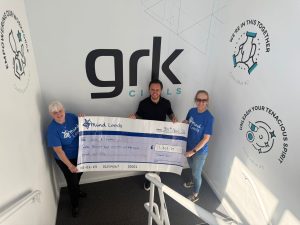 We chose to support Leeds Mind because their work genuinely connects with the reality of our industry. Construction has some of the highest rates of mental health issues, and we wanted to partner with a charity that understands that and offers practical, local support. It mattered to us that the partnership meant something to our people, not just a name on a poster.
Joining the Leeds Mindful Employer Network was the natural next step. It gives us access to real guidance, training and a community of employers who are trying to do the same thing we are: make mental health part of everyday working life.
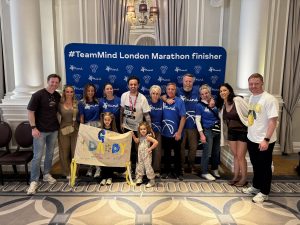
A big part of this year’s commitment has also come from Jamie running the London Marathon for Leeds Mind so that has made the partnership feel even more personal. It shows the team that our support is not just organisational, it is something we are willing to put real effort and energy into.
How is GRK Civils recognising Men’s Health Week, and what does it mean to you as an organisation?
For Men’s Health Week this June, we are keeping things practical and focused on what our teams need. We are running toolbox talks on how to support colleagues and friends better, and holding company stand downs so everyone has the time and space to take the message in properly. We are also linking the week into what already works for us, like Wellbeing Wednesdays, group runs and our social activities, so it feels part of everyday work life rather than a one‑off campaign.
What are your priorities for the next 6 months in terms of supporting mental health across your workforce?
Over the next six months, our focus is on strengthening the foundations we have already built and pushing our mental health support to the next level. A big priority is further training for our mental health first aiders so they feel fully equipped and confident in their roles. They are a key part of our approach, and we want to keep investing in them.
We also want to bring Leeds Mind into the business more. That means using their expertise, running more sessions with them and making sure our teams see the value of having a strong partnership with a local organisation that understands the pressures of our industry.
Alongside that, we are planning more workshops and team activities that promote both physical and mental health. Things that get people moving, talking and connecting in a way that feels natural for our teams. It is about keeping wellbeing visible, practical and part of everyday working life.
What would you say to other employers — particularly in male-dominated industries — who want to make wellbeing actually land in their workplace but aren’t sure how to best approach?
If you want wellbeing to land in a male‑dominated environment, keep it simple and genuine. Start with small, consistent actions rather than big campaigns. Train your mental health first aiders, give managers the confidence to check in properly and make sure people know where support sits.
Make it fit the way your teams work. Keep conversations natural, build it into day-to-day routines and make sure your leaders set the tone. If people can see you are serious and not just ticking a box, they will engage.
Thank you to Katie for contributing to this blog!
Read more about Men’s Health Week
Join the Leeds Mindful Employer Network.
Sign the national Mindful Employer Charter.